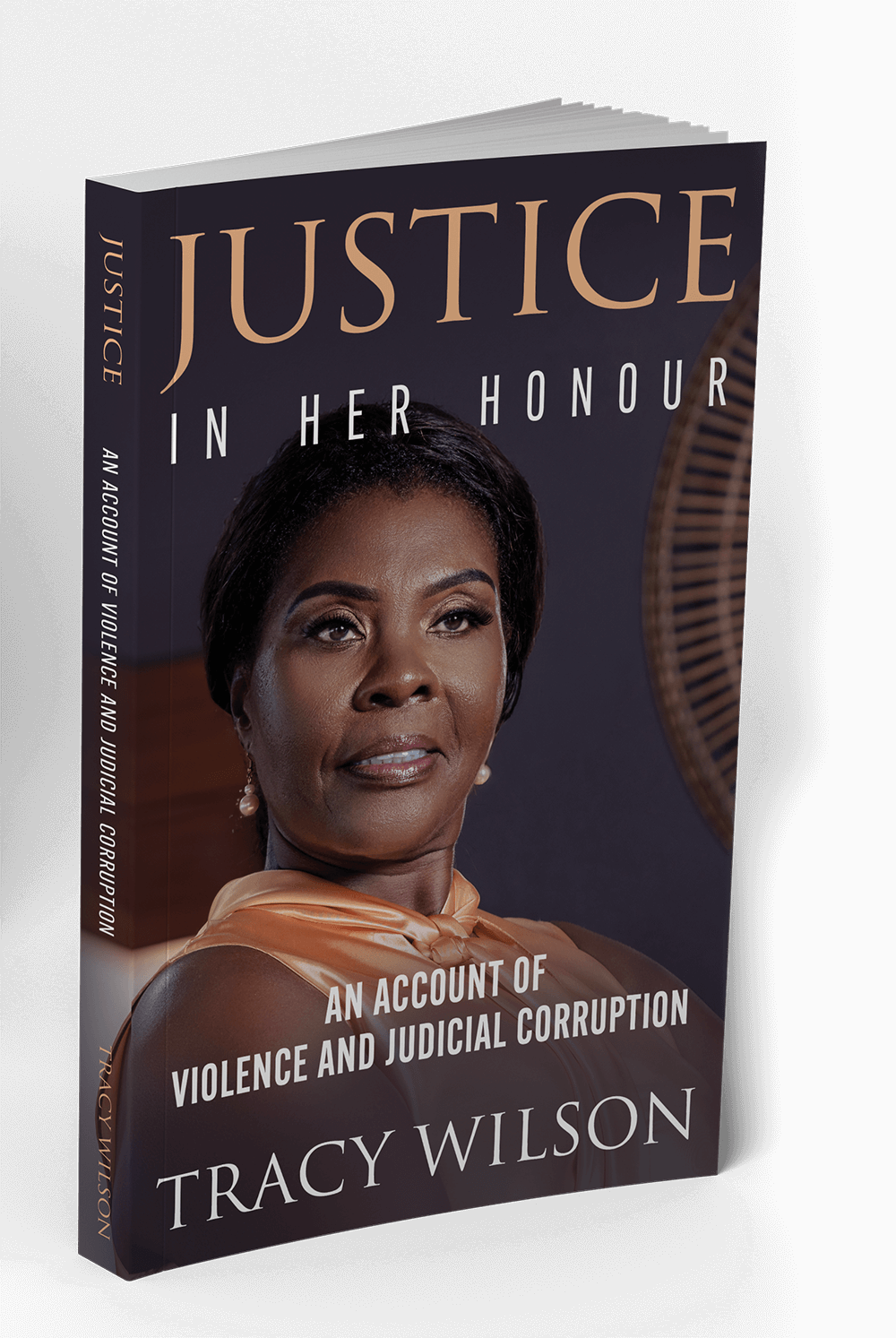
If I claimed that writing JUSTICE was easy, I would be lying, but as Kamala Harris once said, “Hard work is good work.” Whenever I shared glimpses of my life story, people often told me to write a book. Aware that my experiences could resonate with others, I took their advice to heart. This began the extension of my journey into the world of writing, where each word became a step towards sharing my truths. I’m good at storytelling. I’ve written short stories. I’ve delivered sermons, and done public speaking. Yet, this task felt huge.
The writing process required intense reflection and unwavering dedication, so when I sat down to gather my thoughts, I felt excited yet nervous about the journey ahead. I wanted the complexity of my experiences to serve as a powerful medium of expression that share a message about human emotions. I also wanted to highlight the challenges children face when they see abuse. To make the story vivid and to establish a strong emotional connection with readers, I chose my words carefully. With immense devotion, I poured my heart into the script. I aimed to shed light on the dark days of my life and inspire those who feel like they have lost their voices. Throughout the entire process, I wanted those dealing with their own challenges to remember that they are never alone. I was confident that my reflections can foster a sense of unity and bring light and triumph to those who feel isolated. Undoubtedly life’s challenges can allow us to show our strength and bring us together.
To start the project, I gathered journal entries, notes on scrap paper, and research data. Then, I created a rough draft that included historical events and short stories. Chapter titles were created in response to those events and their related themes. Each chapter structures itself as a mini-story that contributes to a cohesive narrative. I thought about the key message of IPV and its effects, then, I split the book into three sections. There are no section or chapter dividers in the book. Yet, readers can tell when a new part begins by the change in focus and tone. My mother’s murder and the challenges I faced are the opening events of the memoir. The second part of the book focuses on emotional growth and forgiving her murderer. Part three shows the judicial corruption that let her murderer escape prosecution.
Naming the book was straightforward. From the very beginning, I realised that violence, failed justice, and poetic justice would be the central themes. From that perspective, the title JUSTICE emerged. Chapter titles were chosen with care to prepare the reader for the information to come. Whether it was highlighting details of homicide, the challenges I faced in overcoming adversities, or exposing injustice, the plot needed to capture the reader’s attention. In essence, the titles aim to captivate readers and draw them into the story.
Besides paying keen attention to chapter names, ensuring that each chapter flowed seamlessly into the next was key to maintaining a cohesive structure throughout the manuscript. Although most memoirs are centred around a specific theme and focus on a particular period or event, in JUSTICE, a multi-thematic approach was used to cover events over a longer period. This allowed the author to weave together various stories, illustrating the complexities of human experience and the intertwining of personal and societal struggles. By doing so, the memoir chronicles significant moments and offers a deeper understanding of the themes of justice, resilience, and redemption.
To convey the facts and emotional depth of all the events. Expansion of the themes necessitated careful word selection to ensure clarity and resonance with the intended audience.
The book has three sections. The first segment reads like a novelistic memoir, while the rest of the manuscript combines narrative and expository writing. At first, the subtitle was “A Memoir of Violence . . .” Then, I changed it to “An Account of Violence . . .” Although a memoir is a historical account of one’s personal experiences, I felt that the audience might not be prepared for the shift in writing style if the original subtitle was retained. I believe that the word account would better prepare the reader for the combined stylistic approaches.
The shift from “A Memoir of Violence” to “An Account of Violence” reflects a thoughtful consideration of audience perception and the intended narrative style. Retaining the original subtitle risks misleading readers, as it suggests a purely personal reflection when the piece encompasses a broader examination of violence. By opting for the term “account,” the author not only clarifies the work’s purpose but also invites readers into a more comprehensive exploration that transcends individual experience. This change ultimately enhances understanding and engagement, allowing for a richer interpretation of the complex themes presented in the writing.
Because I enjoy studying psychology, I used some of the knowledge gained from that discipline to create a meaningful exploration of themes that explain the darker side of human nature, such as violence and judicial prejudice, which are intricately woven throughout the book. I was apprehensive about the amount of expository writing I had; still, using elucidatory text to support various themes in the narrative was paramount to delivering my story against a historical and judicial backdrop. After overcoming my hesitancy to imbue expository material in the text, I went straight ahead with my plan to add biblical stories to support character development and spiritual growth. I incorporated direct speech, with the time and date of those occurrences, from numerous characters to establish the credibility of the book’s content.
My commitment to precision and depth transformed JUSTICE into a meaningful literary journey. What I recounted, experienced, thought, felt about my mother’s murder, what it did to me, and what I made of it allows individuals who read the book to become emotionally involved. The narrative also draws readers into an analytical exploration, inviting them to engage with the complexities of grief and the quest for understanding in the aftermath of tragedy. By intertwining personal anecdotes with broader societal issues, I aim to foster a deeper connection with the reader and provoke thoughtful discussions on the impact of violence and the resilience of the human spirit. Ultimately my book will become a vital tool that enriches the reader’s intellectual and spiritual journey.