If you are in an abusive relationship, this post can help. It will guide you to resources that empower you to make an informed decision about leaving. Many of us recognise that domestic abuse is a widespread issue, revealing a harsh reality in which numerous offenders evade punishment. As a result, the cycle of abuse can continue unchecked, perpetuating trauma and suffering within the family. To tackle this pervasive scourge comprehensively and holistically, we must understand its complexities. Knowledge about this complicated human behaviour, influenced by psychological factors and societal acceptance of violence, helps us reduce its prevalence. Understanding IPV’s causes and effects also helps organisations develop supportive programs. These programs empower victims to break the cycle of abuse.
Intimate Partner Violence (IPV) does not wear one particular mask. Rather, it manifests in various forms, including physical, sexual, emotional, psychological, and financial control. Someone preventing you from earning money or controlling what you earn is a form of abuse. Each of these types of abuse gives the abuser control over the victim. Undoubtedly, this unending quest for power fosters an environment filled with fear, leaving those affected with long-lasting emotional scars. Although not visible, the emotional and psychological wounds can fester even after physical wounds have healed. Sociocultural indifference to violence against women often worsens the situation by leaving victims feeling alone, trapped, powerless, and afraid. On top of that, they face repercussions from their abusers when they try to leave the relationship.
The constant failure to hold abusers accountable for their actions not only allows them to continue their reign of terror but also highlights the dire need for supportive resources for those seeking refuge from violence. As some societies grappled with this complex and profoundly entrenched issue, it was apparent that adequate intervention and protective measures could help victims feel safe and secure. Because no individual or organisation could single-handedly eliminate the severity of this epidemic, various entities collectively foster an environment where safety and healing can flourish. By pooling resources and sharing knowledge, a robust support system, complete with hotlines, shelters, and social services, is now available for victims to access in many communities. Through the collective efforts of these diverse groups and many individuals, each playing a vital role in promoting a safer society, IPV is gaining more and more attention. These supportive entities serve as a beacon, dispelling the dark, hideous shadows of one’s past. Now, help for victims is possible.
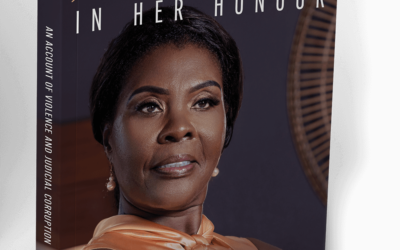
As a domestic violence advocate, I strongly believe that encouraging open dialogue dismantles the secrecy that enables violence to persist. In my memoir, JUSTICE, I emphasise that domestic violence must be exposed and addressed immediately. No one should bear responsibility for their abuser’s actions. No one should feel like a failure if they leave an abusive partner. As challenging as it may seem, if you are a victim, standing strong against the shame associated with this type of violence will empower you to combat all forms of injustice. With each step towards healing, you will break the cycle of abuse and inspire others to do the same, thereby creating a powerful ripple effect of courage and resilience that transforms lives.
I wish my mother, whose husband killed her, had realised that everyone deserves a safe, healthy relationship devoid of fear and harm. Did she grasp that the denial of this right demands immediate help for those ensnared? Even if she was aware that her dignity was violated, she had no family or friends to guide her away from that toxic relationship; no one was ready to help her devise an escape plan. She simply didn’t have the right resources to enable her to build the resilience needed to free herself from the vicious cycle of domestic violence. A few decades ago, Guyana had no domestic violence act, hotlines, or programmes that offered counselling or shelter; thus, individuals were left stranded without a lifeline.
In stark contrast, just before she was killed and after another violent incident that sent her to the hospital, a priest visited − at her husband’s request − to urge her towards reconciliation with her abuser. No disrespect intended to the “man of the cloth”, but he had the gall to remind my mother of her marriage vows “for better or worse”. Despite the abuse she endured, she clung to her marital bond, driven by societal pressure and personal conviction. Don’t let abuse erase your existence, too. Stand tall against the darkness of abuse, for your voice and your story matter more than you may realise.
If you are in an abusive relationship where the familiar comforts of home have become a battleground, remember that seeking help is your first courageous stride towards liberation. Domestic abuse can resemble a maze with no escape routes, making a toxic-free life seem impossible. But recognising that you are not alone and that compassionate people are willing and able to assist can ignite a spark for change. Awareness of the fundamental right to safety and the resources available to assist you is empowering. It’s like a lifeline cast to someone drowning in a sea of despair. With support and the right plan, anyone − man or woman, young or old – can step out of the storm into a life rich with purpose and meaning.
Connecting with trusted family and friends can offer invaluable emotional support for you or someone living with abuse. If they are unable to assist, National Domestic Violence Hotlines have counsellors who are available around the clock to listen and provide guidance to help you overcome your distressing circumstances.
These organisations are designed to connect victims to a wealth of resources. If you need to stay in a domestic violence centre for safety, the staff and volunteers are eager to assist. They will support you as you process your emotions and help you develop a new outlook on life. There, you will find reassurance in a future free from violence, fear, and regret. These centres also provide housing for children, allowing families to stay together and heal. By equipping families with essential resources, they empower them to foster independence, thus creating a ripple effect of positive change.
Though not blood relatives, the staff care deeply and are trained to provide expert support. Some have navigated similar experiences and can offer constructive advice. They could be considered as family members who are excellent listeners and reliable individuals. When surrounded by people who genuinely care about you, facing the challenges of moving forward can feel less daunting. A mother of one of my students found great support at a domestic violence centre. This experience inspired her to pursue a degree in social work. Today, she stands proud and dignified.
A strong support network for leaving an abusive relationship can include the police and legal resources. Although hotlines and shelters often lack legal services, they can direct you to the legal support you need. If you do not have the funds to pay for an attorney, they can connect you with organisations that offer free legal services. These establishments have family lawyers proficient in domestic abuse cases, ready to guide you through your options.
If you decide to leave your abusive partner, approach the exit strategy quietly and without confrontation to ensure safety as you reclaim your life. I always advise those fleeing abuse to do so without warning. A quiet departure is key. This approach will mitigate retaliation and protect you during that vulnerable transition. Remember, trusted individuals and organisations that specialise in assisting survivors of domestic violence can help you devise a comprehensive safety plan.
Few would deny that domestic abuse has a severe impact on women and children. There is no doubt that IPV breaks families in many ways, sometimes forcing those affected out of their homes, causing psychological pain and even financial difficulties. What I endured while my mother was alive and after her death was traumatic. Her death left me a homeless thirteen-year-old. Thereafter, I was thrust into a world of uncertainty, grappling with grief and a desperate search for stability. As described in several chapters of “JUSTICE”, the absence of my mother plunged me into a deep state of vulnerability that seemed insurmountable.
My stepfather deceived my mother by promising to change his abusive behaviour. Ironically, he stopped beating her after he killed her. Some people say a leopard will never lose its spots. Does that mean people are unredeemable? I strongly disagree with that statement. However, abusive leopards hardly ever transform. This harsh reality serves as a grim reminder that while change is possible, it often requires a profound commitment to self-reflection and accountability − qualities that are all too rare in those who inflict harm. Victims must recognise these patterns and seek support rather than cling to false hopes of transformation.
While my goal here is to talk to victims, I must take a moment to address any potential abusers who may read this post. Understanding the roots of aggression − whether stemming from childhood or adult trauma, financial frustration, low self-esteem, or substance abuse − is essential for change. Recognising these sources is the first step, but accepting the cycle without intent to heal is akin to living on an emotional roller coaster. To foster true freedom, one must acknowledge that every person deserves the right to live without being demeaned. Gripping tightly with blows, threats, or intimidation is the hallmark of cowardice, rooted in the fear of letting go. True strength lies not in dominance but in the ability to uplift others and create an environment where everyone can feel safe. It therefore follows that living in a mismanaged relationship may likely result in separation. People move on. Children form new bonds outside their homes. Friends cultivate connections to meet their current needs. Employers hire or fire based on compatibility. Life entails many such changes, some accompanied by a measure of regret and pain. It is a natural part of life, a process that can bring both sadness and relief as we let go of what no longer serves us and embrace new opportunities. Individuals who are abused may eventually decide to take no more, and this could include your partner, too. Yet, with appropriate therapeutic intervention, you can learn from your mistakes and salvage your relationship. Altering your behaviour can enrich your life and help you discover new ways to relate to your partner. Undoubtedly, genuine transformation can pave the way for a fulfilling and long-lasting relationship.